
Exploring & Belonging in Calderdale Resources

MESH’s Exploring and Belonging project took place in Calderdale between May and September 2026. Our partners in Calderdale were St Augustine’s Centre Halifax, Calderdale Food Network and West Yorkshire Archive Service, who supported us in providing sessions with people seeking asylum, refugees and other ESOL learners.

On this page, you will find information about aspects of heritage in Calderdale, and materials for teachers wanting to use these Exploring and Belonging resources in the ESOL classroom.

Calderdale has a long history of migration. The woolen and textile mills that had grown up during the Industrial Revolution (replacing the traditional cloth weaving industries) attracted Irish migrants, and when the mills were short of labour after the Second World War, workers from South Asia migrated here.

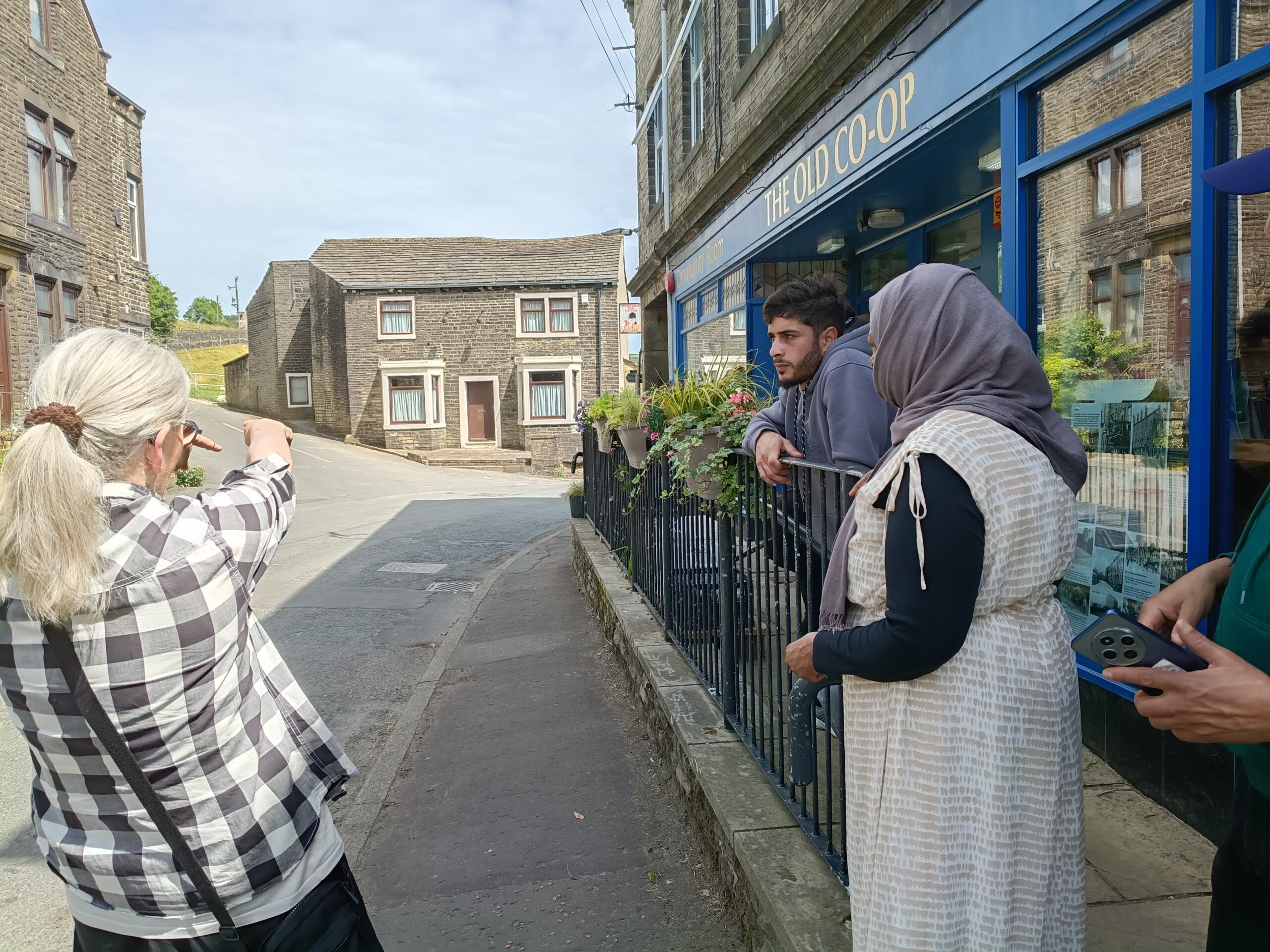
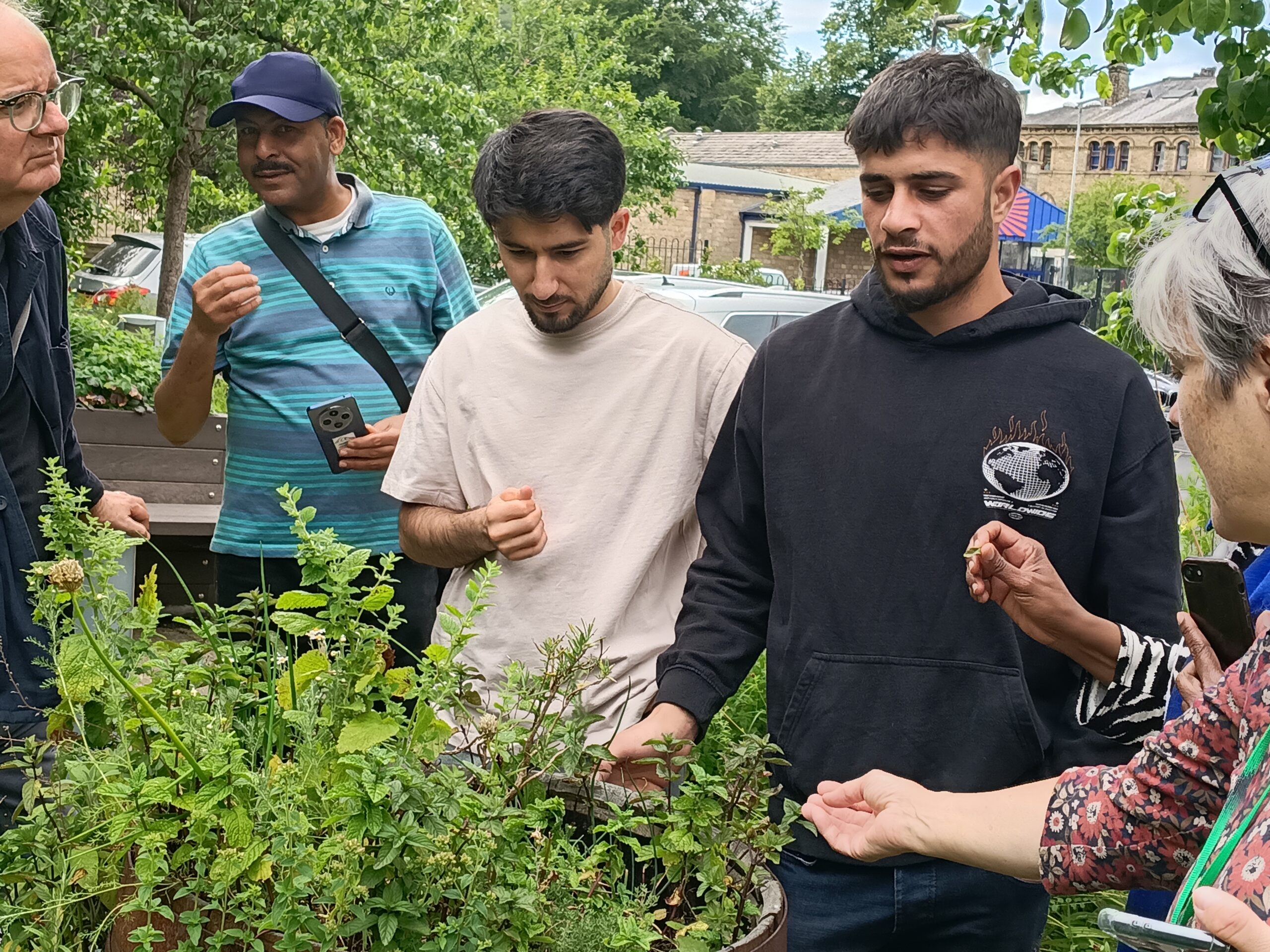
In the Exploring and Belonging project, English learners who were seeking asylum and who were new to the area researched places and cultural practices they valued as helping them feel they belong in Halifax and neighbouring towns and villages in the Calder Valley. Participants took photos and videos and recorded each other speaking. They wrote sentences about these local heritage themes, and how they helped them feel they belong in Calderdale.

From the themes in Calderdale participants researched as part of the project, two in particular were chosen by them as the focus for research: Food Co-ops and Community Gardens. Follow the links below for access to bespoke reading resources at E1 and E3+ level, and associated audio-visual resources.
What this resource pack includes

  • Classroom slide presentation
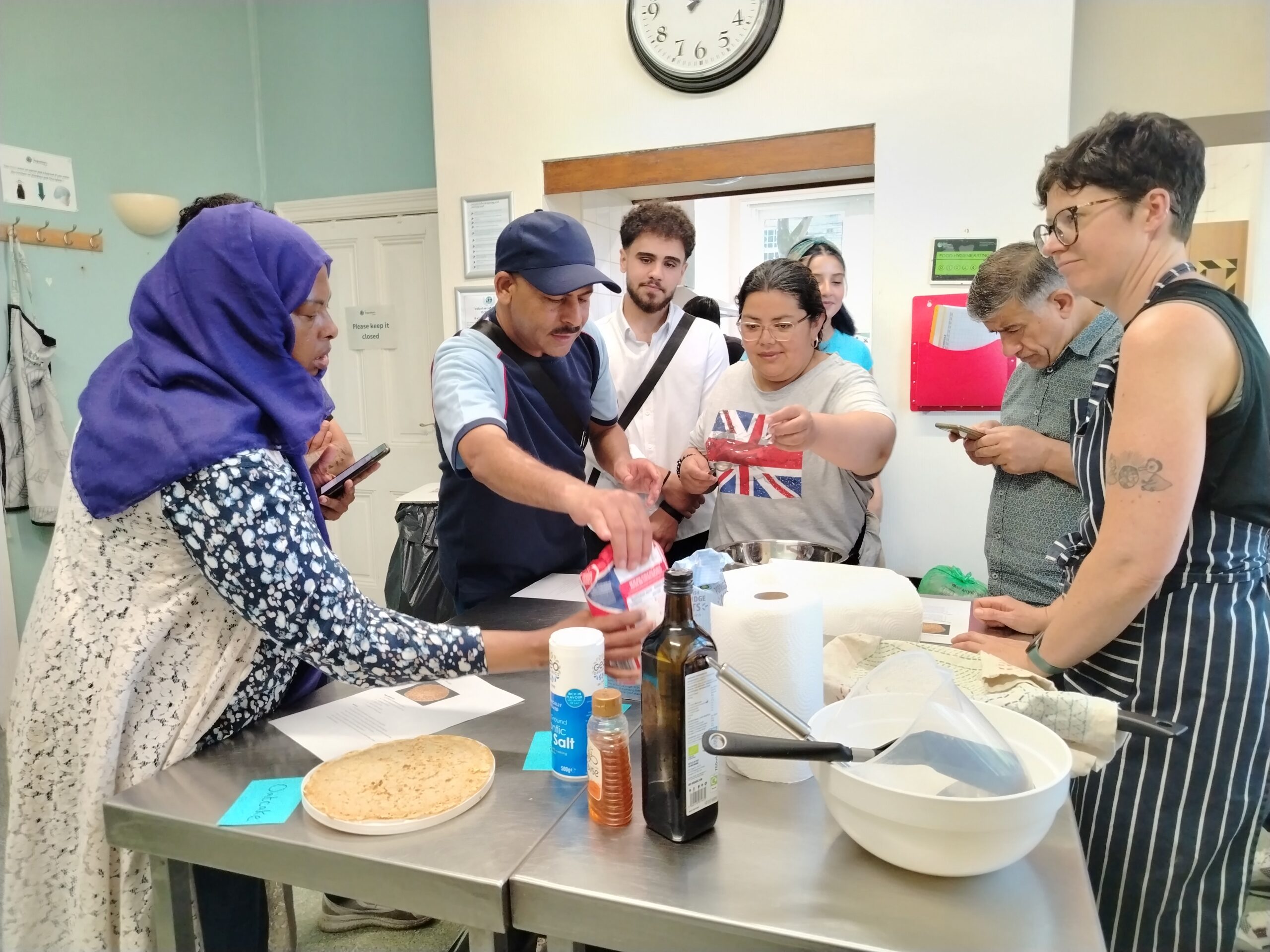
  • ESOL teacher guidance with lesson ideas and suggested classroom activities
  • A vocabulary list with audio pronunciation support
  • Supporting information slides

Explore Our Calderdale Learning Resources

Exploring how community gardens as heritage bring communities together with examples from local history and modern life.

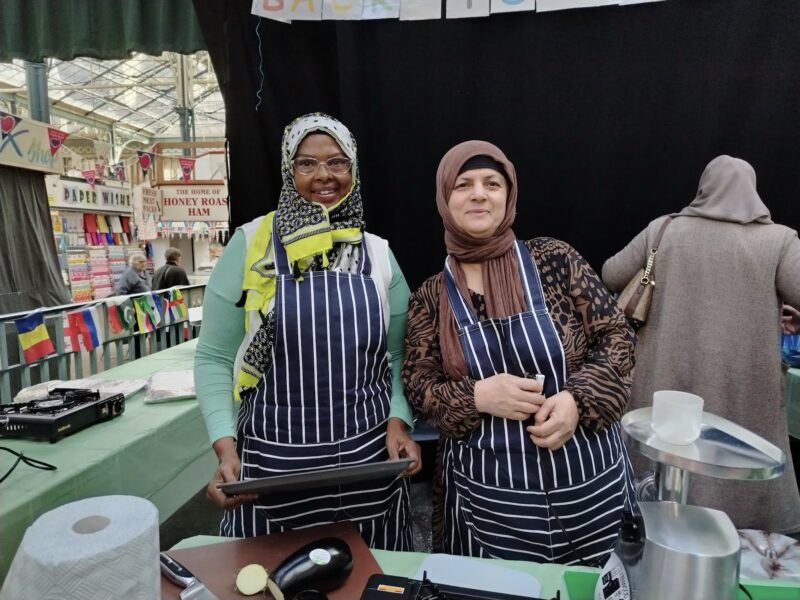
Exploring how food and other co-operatives bring communities together, with examples from local history and modern life.

Our downloadable Exploring and Belonging Calderdale resources for your ESOL lessons

Slides for use in the classroom

This slide set offers ideas for using the Calderdale reading resources in the classroom.  You can download them, or simply show the slides from this page in class. The slides include activities and links to worksheets. There are 25 slides – use them in conjunction with teacher notes and worksheets.

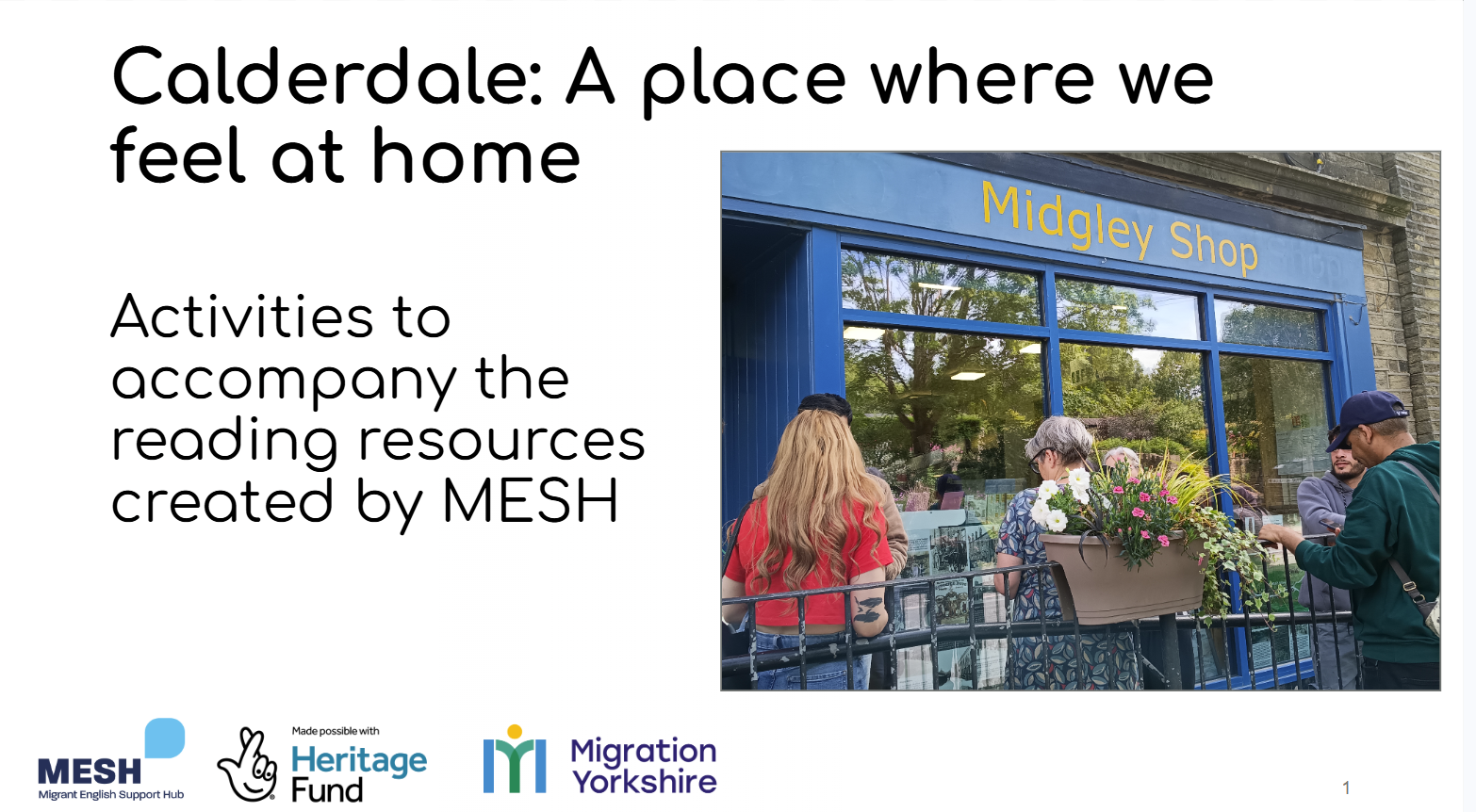
Slides for use in the classroom preview thumbnail

Type

Teaching Slides

Topic: Exploring and Belonging Calderdale Skills supported: Writing, reading, speaking, vocabulary, discussion

Teacher Notes and Lesson Guidance

These teaching notes provide further guidance for classroom delivery. You can download and adapt, or view them here for a quick overview. The notes suggest ways to help learners interact more deeply with the reading resources by focusing on key vocabulary and information within it, and then encouraging them to explore their own sense of belonging in the area where they live. Including suggestions for activities and approaches for use with learners at different levels, from pre-Entry to Entry 3 +.  You can build these suggestions into your lesson plans.

Type

Teaching Notes and Lesson Guidance

Type: ESOL Teacher guidance Topic: Exploring and Belonging Calderdale Suggested level: Pre-Entry to Entry 3 Skills supported: Lesson planning and teaching support

Vocabulary Keywords with Audio

Our keywords list provides support for those reading our reading resources. They are embedded for a quick view or you can download them via the link below. They include audio for pronuciation support, as well as sample sentences deploying the keywords.  

Type

Vocabulary Keywords with Audio

Type: Vocabulary resource with audio Topic: Exploring and Belonging Calderdale Suggested level: Pre-Entry to Entry 3 Skills supported: Vocabulary, listening, pronunciation

Acknowledgement

Exploring and Belonging is possible thanks to support and funding from our partners National Lottery Heritage Fund, with additional support from Migration Yorkshire. Click the button to find out more.